How to Improve Eye Contact in Children Naturally
Learn how to improve eye contact in children naturally with simple activities, communication tips, and early intervention strategies for parents.

Founder @Homoeotouch
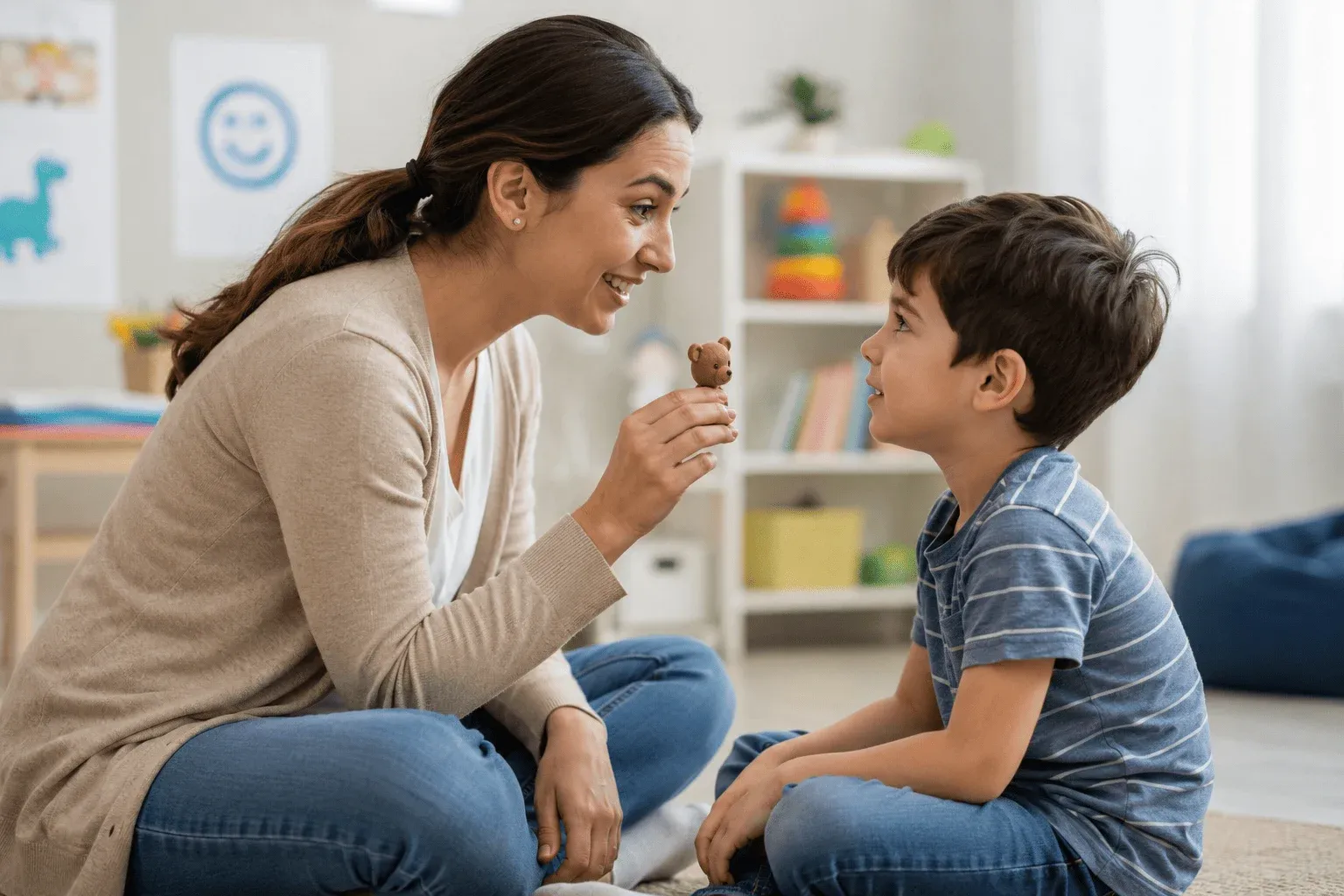
Eye contact is one of the key building blocks of communication, emotional connection and social development in children. From birth babies naturally look at the faces of their parents to learn about emotions, to understand language and to build relationships. Some children may have difficulty with eye contact, and parents may worry about their child’s development. In Ludhiana, parents are often found searching the internet for answers to questions like: “Why does my child avoid eye contact?”, “How can I improve eye contact naturally?”, “Is poor eye contact a sign of autism?”
There can be many reasons for limited eye contact . Some children are naturally shy, while others may have sensory sensitivities, communication issues, developmental delays, anxiety or diagnoses such as Autism Spectrum Disorder (ASD). The good news is that through consistent interaction, play-based learning, communication activities and supportive developmental strategies, eye contact can often be encouraged and improved.
Parents in Ludhiana seeking autism treatment, speech delay treatment, child development support, and homeopathy for autism are often interested in natural ways to improve social communication skills. This guide discusses why eye contact is important, what makes it difficult, and practical natural strategies that can help kids build stronger social engagement.
Why Is Eye Contact Important for Child Development?
Eye contact is much more than simply looking at someone. It plays a crucial role in communication, emotional bonding, language development, and social learning. Children learn many important skills by observing facial expressions and reactions during conversations.
Benefits of Good Eye Contact:
- Supports language development
- Improves social interaction
- Strengthens parent-child bonding
- Helps children understand emotions
- Enhances attention and listening skills
- Encourages confidence in communication
When children maintain eye contact, they often find it easier to connect with others, understand social cues, and participate in learning activities.
Why Some Children Avoid Eye Contact
Many parents worry about their child not making eye contact when talking. But not making a lot of eye contact doesn’t always mean autism or a developmental disorder. There are many factors that can affect a child’s ability to make eye contact.
Common Causes:
- Shyness or personality differences
- Social phobia
- Speech and language delay
- Sensory processing difficulties
- Autism Spectrum Disorder (ASD)
- Communication is low in confidence
- Environmental overstimulation
If parents are worried about early signs of autism in children it is important to remember that poor eye contact is just one of many potential signs and should always be considered along with other developmental behaviors.
When Should Parents Be Concerned?
It is normal to avoid eye contact some of the time but if it’s a persistent problem you may want to seek professional assessment.
Recognize These Symptoms:
- Family members rarely looking in their eyes
- Ignoring facial expressions
- Limited social interaction”
- Speech delay
- Has difficulty playing with other children
If these signs are persistent, parents may seek the help of professionals in Ludhiana who specialize in child development.
Natural Ways to Help Children Make Eye Contact
Make it fun, comfortable and rewarding, not forced eye contact. From positive interactions kids often learn social communication skills naturally.
1. Activities for Play
One of the best ways to encourage eye contact naturally is through play.
Useful Activities:
- Peek-a-boo games
- Bubble play
- Singing of action songs
- taking turns games
- Puppets in action
Children naturally look at faces during these activities to anticipate reactions and socialize.
2. Get Down to Your Child’s Eye Level
If you get down on your child’s level they are more likely to look you in the eye.
Easy Tips:
- Sit together on the floor
- Don’t speak from a distance
- Interact with your child face to face
- Keep things relaxed and friendly in communication
It creates a comfortable environment for social interaction.
3. Make Eye Contact Fun and Rewarding
Positive reinforcement can motivate children to engage more socially.
Examples:
- Smile when your child looks at you Offer praise and encouragement Celebrate small improvements Use favorite toys during interaction
Children learn best when interactions are enjoyable and pressure-free.
4. Read Books Together
Eye contact and communication are naturally encouraged in shared reading activities.
Benefits:
- Boosts concentration
- Promotes social engagement
- Encourages language development
- Creates emotional engagement
Ask questions, point to pictures and encourage your child to look between the book and your face.
5. Use Songs and Music Activities
Children often like music-based interactions.
Action:
- Mother Goose Rhymes:
- Action songs.
- Musical games.
- Activities Based on Rhythm
“Music is a great way to get attention and to create opportunities for natural eye contact.”
6. Minimize Sensory Overload
Some children avoid eye contact because they are being bombarded with sensory information.
Useful Tips:
Less ambient noise
Minimize distractions.
Create peaceful environments
Use soft lighting
Comfortable children are more likely to engage socially.
7. Foster Communication Opportunities
Create opportunities for your child to naturally want to talk.
Examples
- Offer toy choices
- Ask easy questions
- Pause for activities and responses
- Foster turn-taking conversations
Comfortable children are more likely to engage socially.
8. Support Speech & Language Development
It can be difficult to communicate when you have speech delays, and children with speech delays may not make eye contact.
Useful Methods:
- Daily read alouds
- Naming things during play
- Games of imitation to encourage
- In simple, plain English
Parents looking for speech delay treatment in Ludhiana often find that better communication skills help with eye contact development as well.
8. Consider Support for Holistic Development
Some families consider approaches such as:
Useful Methods:
- Speech therapy
- Occupational therapy
- Sensory integration activities
- Healthy diet.
- Support for homeopathy
Many parents who are interested in homeopathy for autism in Ludhiana look for complementary therapies that can help in balancing emotions and overall development.
Advice to Parents
What to Do:
- Stay patient.
- Reinforce positively
- Enjoyable interactions
- Celebrate small wins
❌ Don’t:
- Eye contact
- Punishment of avoidance behaviors
- How to avoid comparing your child to others
- Making stressful situations
Consistent, supportive interactions usually bring about the best results over time.
Benefits of Improving Eye Contact
✔ Benefits: Improved communication skills
- More social interaction.
- More powerful emotional bonds
- Improved learning ability
- More self confidence in social situations
Any improvement, no matter how slight, in eye contact can make a difference to the overall development of a child.
Frequently Asked Questions
Q1. Is lack of eye contact always autism?
No. 1 Shyness, anxiety, speech delays and sensory challenges can also impact eye contact.
Q2. Will eye contact improve by itself?
👉 ya. Play-based interaction and communication activities are useful.
Q3. Are parents supposed to force eye contact?
👉 Nope. Eye contact needs to be natural, not forced.
Q4. When do babies begin making eye contact?
👉 Babies usually start making eye contact during infancy and keep building their social engagement over time.
Q5. Where do Ludhiana parents get support?
👉 Families can seek advice from child development specialists, speech therapists and autism support
Conclusion
Improving eye contact in children is a process that takes time, consistency and positive interaction naturally. If a child is having difficulty with shyness, speech delays, sensory challenges or developmental differences, then supportive strategies can help foster more robust social engagement over time. If you are concerned about your child’s eye-contact, communication skills or developmental milestones then do seek professional guidance, if necessary, in Ludhiana. Through play, communication activities, emotional support and structured developmental approaches children can develop stronger social skills and confidence.