Affordable Autism Treatment Plans for Long-Term Improvement
Discover affordable autism treatment plans for long term improvement. Learn about cost-effective therapies, personalized care plans and strategies to support communication, behavior and long-term development.

Founder @Homoeotouch
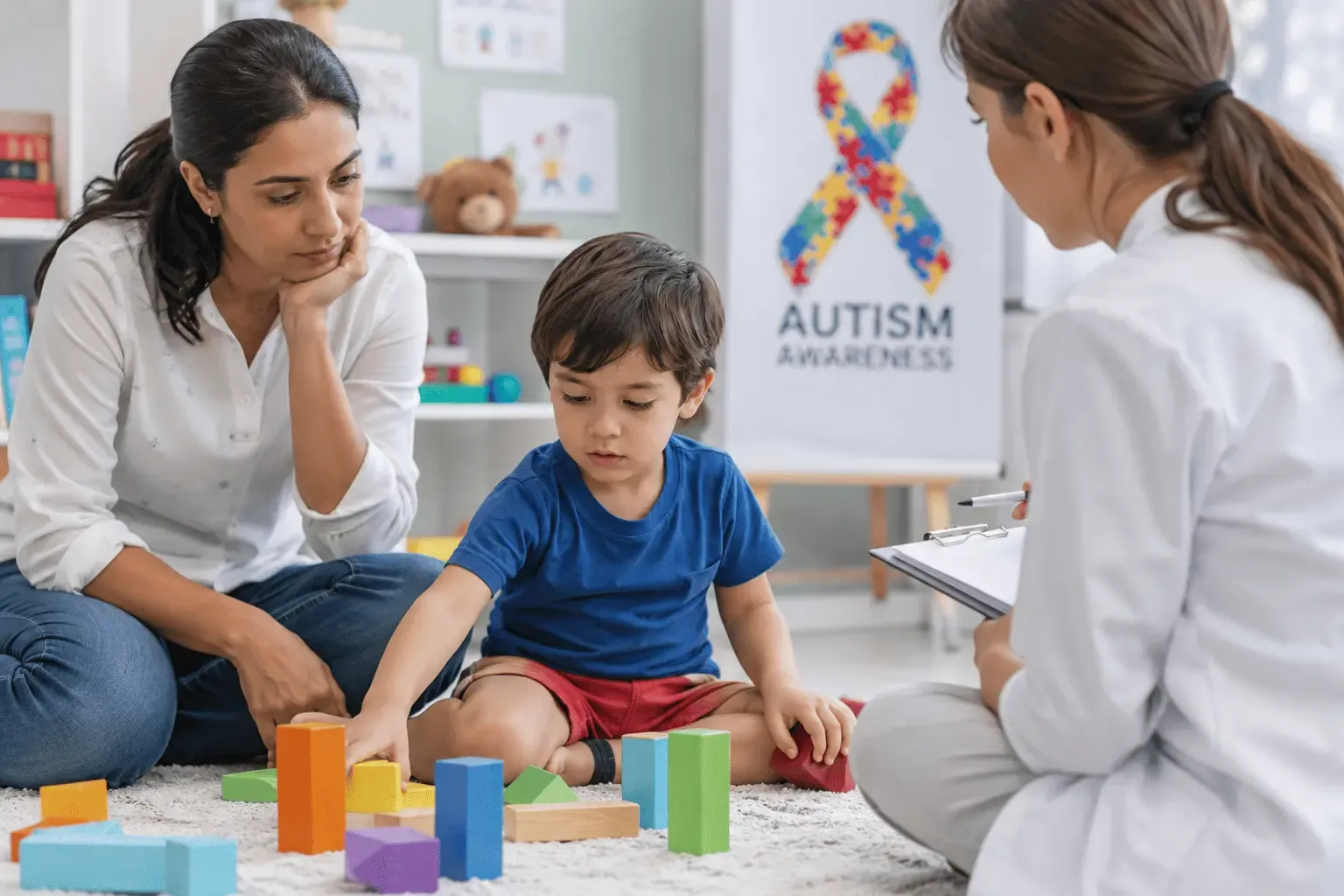
Autism Spectrum Disorder (ASD) is a lifelong developmental disorder that affects a child’s ability to communicate, behave, learn and interact socially. Each child with autism has different support needs, which makes personalised autism treatment plans very important. Parents often seek affordable autism treatment plans that fit their budget and provide long-term developmental improvement without compromising quality care.
In the present-day world, early diagnosis and structured therapy are of great importance in the overall growth of the child. The right mix of behavioural therapy, speech therapy, occupational therapy, and supportive treatments such as homoeopathy for autism can greatly enhance a child’s communication skills, focus, emotional balance and independence over time.
Why Affordable Autism Treatment Plans Are Important
-
The right treatment plan is not just about cost, but also about consistency, accessibility and long-term progress. Financial pressure causes many families to stop therapy, which slows down a child’s development.
Treatment plans are affordable to ensure the following:
-
Children undergo continuous autism treatment
-
Long-term care parents can afford
-
Cost does not delay early intervention All children receive quality autism care and support services Often, regular therapy is more important than pricey treatment options. Regular sessions enable children to improve their communication, behaviour and social interaction skills gradually.
What Includes in affordable autism treatment plans?
A well-structured autism treatment plan for children is usually a combination of multiple therapies that work together for overall development.
1. Behavioral Therapy (ABA-Based Support)
Behavioural therapy is one of the most effective parts of autism treatment. It focuses on improving positive behaviour and reducing challenges.
Benefits include:
- Improving communication and attention
- Reducing repetitive and disruptive behaviors
- Building daily life skills and routines
- Enhancing social interaction abilities
This therapy is often the foundation of any child autism treatment program.
2. Speech and Language Therapy
Many children with autism struggle with speech delay or difficulty expressing emotions. Speech therapy plays a crucial role in communication development.
Key improvements:
- Better verbal communication skills
- Improved understanding of language
- Increased confidence in expressing needs
- Enhanced interaction with family and peers
This is one of the most important components of autism communication improvement therapy.
3. Occupational Therapy (OT)
Occupational therapy helps children develop independence in daily activities.
It focuses on:
- Fine motor skill development
- Sensory processing improvement
- Hand-eye coordination
- Self-care activities like dressing and eating
This therapy is essential for building independent living skills in autistic children.
4. Homeopathy for Autism (Supportive Care)
-
Many parents also opt for homoeopathy as a natural supportive approach to the treatment of autism. It’s not a cure by itself, but it may help with emotional and behavioural balance.
Possible supportive effects are:
-
Lessening hyperactivity and restlessness
-
Emotional stability help
-
Better concentration and attention
-
More generally calm behaviour Homoeopathy is most effective when used alongside structured therapies, such as speech and behavioural interventions.
5. Parent Training and Home Support
Parents play a very important role in autism improvement. Affordable treatment plans often include guidance for parents so that therapy continues at home.
Parent support includes:
- Daily home activity guidance
- Behavior management strategies
- Communication practice techniques
- Regular progress monitoring
This ensures that therapy is not limited to clinic hours but continues at home as well.
Long-Term Improvement in Autism – How It Happens
Autism improvement is not instant—it is a gradual process that requires patience, consistency, and structured intervention. With the right long-term autism treatment plan, children can show meaningful development over time.
Key improvements seen with consistent therapy:
- Better communication and speech development
- Improved eye contact and social interaction
- Reduced behavioral challenges
- Increased learning ability
- Better emotional regulation
- Improved daily routine independence
Early intervention plays a critical role in achieving faster and better outcomes.
Benefits of Affordable Autism Treatment Plans
Choosing a structured and affordable approach ensures that children receive continuous care without interruption.
Key benefits include:
- Cost-effective long-term therapy solutions
- Combination of multiple autism treatments
- Improved accessibility for all families
- Consistent developmental progress
- Better parent involvement and awareness
- Safe and child-friendly treatment environment
Who Should Opt for Autism Treatment Plans?
Affordable autism treatment plans are suitable for:
- Children diagnosed with Autism Spectrum Disorder (ASD)
- Kids with speech delay and communication difficulties
- Children with behavioral and attention challenges
- Parents seeking natural and holistic autism treatment options
- Families looking for long-term developmental support
Why Choose a Structured Autism Treatment Approach?
A structured plan ensures that all developmental areas are addressed together instead of focusing on one symptom at a time.
A complete autism care plan helps in:
- Improving overall developmental balance
- Supporting emotional and behavioral growth
- Enhancing learning capacity
- Providing long-term stability in progress
This integrated approach is far more effective than isolated treatments.
If you are searching for affordable autism treatment plans for long-term improvement, choosing the right clinic is the most important step in your child’s journey.
We provide:
- Personalized autism therapy plans
- Behavioral and speech therapy support
- Homeopathy-based supportive care
- Parent guidance and counseling
- Long-term developmental tracking
Start early intervention today and give your child the best chance for growth and improvement.
Frequently Asked Questions
Q1. What is included in affordable autism treatment plans?
Affordable autism treatment plans usually include behavioral therapy, speech therapy, occupational therapy, and supportive care like parent training and guidance.
Q2. Can autism be improved with therapy?
Yes, with early intervention and consistent therapy, children with autism can show significant improvements in communication, behavior, and learning skills.
Q3. Are autism treatment plans expensive?
Costs vary depending on therapy types, but many clinics offer affordable autism treatment plans to ensure long-term care is accessible for all families.
Q4. Is homeopathy effective for autism treatment?
Homeopathy is considered a supportive therapy that may help improve emotional balance, focus, and behavior when used alongside structured therapies.
Q5. How long does autism treatment take to show improvement?
Autism treatment is a long-term process. Improvements are gradual and depend on the child’s condition, consistency of therapy, and early intervention.
Q6. What is the best age to start autism treatment?
Early intervention, ideally as soon as symptoms are noticed (usually between 2–6 years), gives the best results in long-term development.
Q7. Can children with autism live normal lives?
With proper therapy, support, and early treatment, many children with autism can develop strong communication skills and lead independent, fulfilling lives.
Conclusion
Affordable autism treatment plans are essential for ensuring that every child receives consistent and quality care without financial burden. With a combination of behavioural therapy, speech therapy, occupational therapy, and supportive treatments like homoeopathy, children with autism can achieve steady long-term improvement in communication, behavior, and daily life skills.
Early intervention, consistency, and a structured treatment plan are the key factors that lead to meaningful progress and a better future for every child.