10 Red Flags of Autism in Young Children – Parent Guide in Ludhiana | Homoeo Touch
Discover the 10 red flags of autism in young children with this complete parent guide in Ludhiana by Homoeo Touch. Learn early autism signs, speech delay symptoms, social behavior indicators, and expert homeopathic support for children with autism.

Founder @Homoeotouch
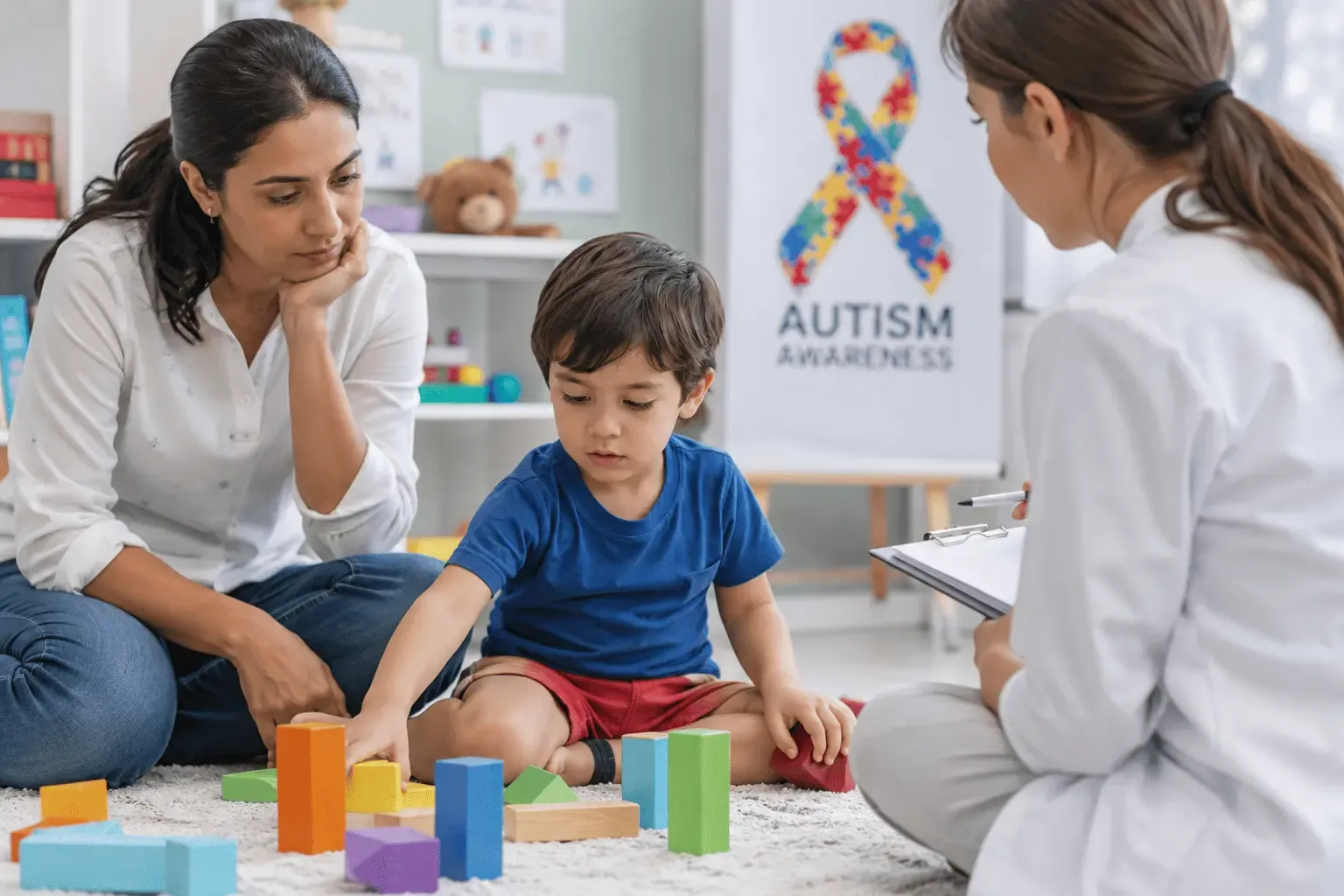
Each child is different in their developmental journey, but there are some signs of development that should never be ignored by parents. In the recent years, awareness about Autism Spectrum Disorder (ASD) has grown considerably and many parents in Ludhiana are actively looking for early symptoms and treatment options for autism. Early identification is very important because children who get help at the right age often improve better in communication, social interaction, learning and emotional development.
Many families search online using terms such as:
- Autism symptoms in children
- Early signs of autism
- Speech delay treatment in Ludhiana
- Autism treatment in Ludhiana
- Best autism therapy clinic in Ludhiana
- Homeopathy for autism in Ludhiana
Autism Spectrum Disorder (ASD) is a developmental disorder affecting communication, social interaction, behaviour and sensory processing. Some children may have very mild signs, while others may have obvious delays in development at an early age. Unfortunately, many parents interpret these signs as “late development” or “normal childhood behavior”, which delays diagnosis and support.
This comprehensive parent guide covers the 10 red flags of autism in young children, the importance of an early diagnosis, and how families in Ludhiana can get appropriate support for their child.
What is Autism Spectrum Disorder (ASD)?
Autism Spectrum Disorder is a neurological and developmental condition that affects how children communicate, interact socially, express emotions, and process the world around them. Autism is called a “spectrum” because symptoms and severity can vary greatly from child to child. Some children may have mild communication difficulties, while others may struggle with speech, behavior regulation, sensory sensitivity, or social understanding.
Common Areas Affected by Autism:
- Communication skills
- Social interaction
- Emotional expression
- Sensory processing
- Behavior and focus
Parents searching for an autism diagnosis in Ludhiana often first notice unusual developmental patterns in speech, eye contact, or social behaviour.
1. Delayed Speech or No Speech Development
One of the first and most common signs of autism is a delay in speech development. Many children with autism may begin to speak later than expected or may stop using words they once knew. Speech delay treatment Ludhiana Speech delay treatment Ludhiana parents look for quite often, as the first visible symptoms are the communication problems
- No individual words by 16 months
- By age 2 no meaningful two-word phrases
- Restricted vocabulary growth
- Difficulty in expressing needs
A speech delay is not always a sign of autism, but when it is combined with social difficulties or repetitive behaviours, it may suggest developmental issues.
2. Poor Eye Contact
Children with autism may avoid eye contact or struggle to maintain it during conversations and interactions. Eye contact is an important part of emotional and social communication, and reduced eye contact is considered one of the major early autism signs.
Possible Behaviours:
- Rarely looking at parents while speaking
- Avoiding face-to-face interaction
- Looking away frequently during communication
Many parents searching for early autism symptoms in Ludhiana notice this sign during infancy or toddler years.
3. Lack of Response to Name
Young children usually begin responding to their names between 6 and 12 months of age. If a child consistently ignores their name, parents may initially suspect hearing problems. However, in some cases, this can be an early sign of autism.
Signs:
- Child does not turn when called
- Appears disconnected during interaction
- Limited response even when hearing is normal
This is one of the most searched concerns related to autism spectrum disorder treatment in Ludhiana.
4. Repetitive Behaviors and Movements
People with autism often repeat certain actions, movements, or routines repeatedly. These repetitive behaviours may help them feel calm or manage sensory overload.
Common Repetitive Behaviours:
- Hand flapping
- Rocking back and forth
- Repeating words or sounds
- Lining up toys repeatedly
- Obsessive interest in certain objects
Parents searching for autism behaviour treatment in Ludhiana often notice repetitive actions before receiving a diagnosis.
5. Difficulty Socializing with Others
Autistic children may struggle with social interaction and emotional understanding. They may prefer playing alone rather than interacting with other children.
Signs:
- Limited interest in social games
- Difficulty understanding emotions
- Avoiding interaction with peers
- Not sharing enjoyment with others
Children with autism may seem disconnected socially, even though they may still care deeply about their surroundings.
6. Sensory Sensitivity
Many autistic children experience sensory processing difficulties. They may become overwhelmed by sounds, textures, lights, or crowded environments.
Common Sensory Signs:
- Covering ears during loud sounds
- Fear of bright lights
- Refusing certain food textures
- Discomfort with touch or clothing
Parents searching for sensory therapy for autism in Ludhiana often seek support for these challenges.
7. Hyperactivity or Constant Movement
Some children with autism display excessive energy, impulsive behaviour, or difficulty sitting calmly.
Signs:
- Constant running or jumping
- Difficulty focusing
- Impulsive actions
- Restlessness during activities
This is why many parents search for hyperactivity treatment in autism naturally.
8. Unusual Emotional Reactions
Children with autism may react strongly to changes, routines, or sensory triggers.
Emotional Signs:
- Frequent meltdowns
- Sudden crying or anger
- Difficulty calming down
- Anxiety during routine changes
These emotional challenges can affect school life and family interactions.
9. Obsession with Routine
Many autistic children become upset when routines change unexpectedly.
Examples:
- Wanting activities done in the same order
- Difficulty adjusting to new environments
- Emotional distress during schedule changes
Structured routines often help autistic children feel safe and comfortable.
10. Limited Interest in Pretend Play
Pretend play is an important developmental milestone in early childhood.
Signs:
- Limited imaginative play
- Repetitive use of toys
- Difficulty copying actions or expressions
Children with autism may interact with toys differently compared to other children.
Why Early Autism Diagnosis Matters
Early diagnosis allows children to receive therapy, educational support, and developmental guidance at the right time.
Benefits of Early Intervention:
- Better communication skills
- Improved social interaction
- Emotional regulation support
- Better school readiness
- Increased independence
Families searching for the best autism treatment in Ludhiana are encouraged to seek professional evaluation as early as possible.
Natural and Supportive Autism Care
Many parents in Ludhiana also explore supportive approaches such as the following:
- Speech therapy
- Occupational therapy
- Sensory integration therapy
- Healthy nutrition
- Structured routines
- Homeopathy support for emotional balance
Frequently Asked Questions
Q1. What is the earliest sign of autism?
Delayed speech and poor eye contact are common early signs.
Q2. Does speech delay always mean autism?
No, but speech delay with social difficulties may need evaluation.
Q3. At what age can autism be diagnosed?
Some signs may appear as early as 18–24 months.
Q4. Is autism treatable?
Autism is managed through therapies and developmental support.
Q5. Where can parents find autism treatment in Ludhiana?
Families can consult autism therapy centres and developmental specialists in Ludhiana.
Conclusion
Recognising the 10 red flags of autism in young children can help parents take early action and provide the right support for their child’s growth and development. Families in Ludhiana are becoming increasingly aware of the importance of early diagnosis, therapy, emotional support, and natural developmental care. Every child develops differently, but if parents notice multiple warning signs consistently, consulting a qualified professional can make a significant difference in the child’s future progress and quality of life.